You might assume electric vehicles do not need as much maintenance as gas-powered cars, but EVs still have complex systems that can fail. While you will not need to change the oil or replace spark plugs, EVs do require occasional repairs and service. Keep reading to learn about some of the most common types of maintenance and repairs your electric car may need during its lifetime.
Battery Issues
Your EV’s large battery pack is its most expensive and complex component. Lithium-ion batteries can degrade over time and use, resulting in reduced driving range. Excessive heat is the leading cause of premature battery wear, so proper cooling systems are vital. If you notice the range and charging capacity of your electric vehicles are decreasing, the battery may need service. Standard solutions include software updates, battery replacements, or refurbishment if defective modules are detected. Staying on top of battery health is vital to ensuring your EV’s long-term reliability.
Motor and Inverter Problems
The electric motor and inverter, which converts the battery’s DC current into AC to drive the motor, are crucial drivetrain components of electric vehicles. Motor issues like unusual noise or vibration can indicate mechanical wear requiring repairs. Inverters may fail due to age, heat damage, or electrical issues. Since the motor and inverter work closely together, a problem with one often affects the other. Any suspected motor or inverter faults should be promptly diagnosed because these components directly impact drivability.
Charging System Issues
Keeping your electric vehicle powered up relies on a properly functioning charging system. The most common charging problems stem from the charge port, cord, wall connector, or onboard charger. Trouble charging may be as simple as a loose charge cable, dirty electrical contacts, software glitches, or charger failures requiring hardware replacement. Pay attention while charging so any abnormalities get addressed before leaving you stranded with a dead battery. Be sure to use manufacturer-approved charging equipment to prevent system damage.
Electrical Shorts and Blown Fuses
An EV has an extensive low-voltage electrical system controlling features like lights, computers, sensors, and power windows, which can suffer faults. Short circuits or high resistance in wiring harnesses and connectors may blow fuses, disabling affected circuits. Tracing and repairing electrical shorts takes wiring diagram analysis and testing. Blown fuses must be replaced with equivalent parts, not jury-rigged with the wrong amperage, to prevent further issues. While electrical faults are frustrating, they typically don’t inhibit driving if not related to drivetrain electronics.
Wheel Alignment and Suspension Wear
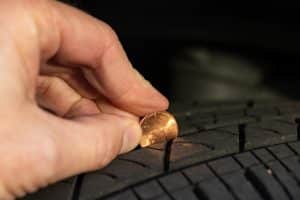
While EV powertrains differ greatly from gas vehicles, wheel alignment, and suspension systems have essentially the same wear factors. Potholes, curbs, and debris impact wheels and shock absorbers over time, resulting in steering pull, vibrations, and uneven tire wear if left unaddressed. Loose fasteners or bent components require repair, so acceleration, braking, and handling aren’t compromised. Don’t ignore subtle vibrations or pulling, which worsen over time. Routinely inspecting tire condition and getting alignments helps maximize the longevity of these components.
Problems Aside, EVs Are Still More Reliable
Despite the potential issues covered, electric vehicles tend to be much more mechanically reliable than gas cars overall. The sophisticated computers and sensors allow problems to get detected early, often before failing entirely. Best of all, EVs completely lack exhaust systems, complex transmissions, and high failure engines filled with fluids needing routine replacement. So, while EVs have occasional faults, owners enjoy far fewer serious breakdowns and maintenance requirements than outdated gas guzzlers.
Schedule an Appointment Today
Maintaining your electric vehicle still requires periodically addressing minor issues to keep all systems running optimally. Learning the typical problems helps you recognize trouble signs so repairs can happen promptly, keeping your electric vehicles on the road reliably for many years. When issues do arise, experienced EV repair shops like Garrin’s Automotive in Lehi, Utah, can correctly diagnose and fix electrical, battery, and drivetrain faults. Call Garrin’s at (385) 786-6583 today if your electric car needs servicing. Contact our team today to schedule an appointment with our expert technicians for quality repairs is the smart way to protect your EV investment.